Food packaging is an essential part of every successful restaurant operation. It needs to protect food, support efficient service, and create a presentation customers can appreciate. From burger shops and sandwich restaurants to cafés, food trucks, and delis, businesses rely on food-safe paper products every day.
Paper used for wrapping and lining can serve several purposes at once. It can help contain grease and moisture, make food easier to handle, and keep trays and baskets cleaner. When printed with a logo or brand pattern, the same paper can also become a useful marketing tool.
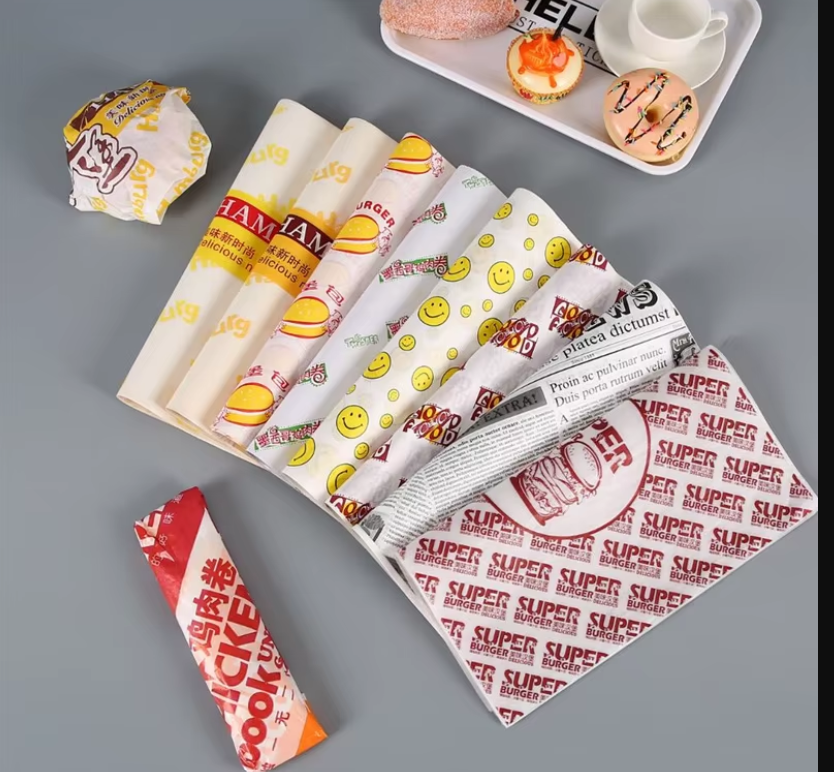
For restaurants looking for custom deli paper for restaurants, the goal is usually to find packaging that combines functionality with attractive branding. Custom printing allows businesses to add logos, patterns, brand colors, slogans, or other artwork to the paper used for sandwiches, burgers, wraps, and takeaway products. Current suppliers offer custom deli paper in both sheets and rolls, with food-safe and grease-resistant options available.
Wholesale purchasing can be especially valuable for businesses with high daily packaging consumption. Instead of repeatedly ordering small quantities, restaurants can purchase larger volumes and maintain consistent packaging across their operations.
At the same time, businesses need to select materials carefully. Paper weight, grease resistance, food-contact suitability, printing method, sheet or roll dimensions, minimum order quantity, and lead time should all be considered before placing an order.
What Is Custom Deli Paper?
Custom deli paper is food-service paper printed with a restaurant’s branding and produced in selected sizes or formats. It can be used to wrap food, line trays and baskets, or create a presentation layer between food and serving surfaces.
Deli paper is commonly used for sandwiches, burgers, wraps, fries, bakery products, and deli foods. Depending on the material, it may be grease-resistant, dry-waxed, or otherwise designed to handle food-service conditions. Current suppliers offer custom printed deli paper specifically for sandwich shops, burger restaurants, food trucks, delis, and cafés.
Restaurants can choose individual sheets when they want quick and convenient serving, while roll formats can be useful for businesses that cut paper according to their needs.
The correct material should be selected based on the food being served. Dry sandwiches may have different requirements from hot burgers or heavily sauced foods.
Benefits of Branded Deli Paper
One of the biggest advantages of printed deli paper is that it combines packaging with branding. Every order wrapped in branded paper gives the customer another opportunity to see the restaurant’s identity.
A repeating logo is a popular design because it remains visible even when the paper is folded. Businesses can also use custom illustrations, slogans, brand colors, social media handles, or seasonal artwork.
Printed paper can make food presentation look more professional. A burger served on branded paper can appear more distinctive than the same burger placed on plain paper.
It can also create consistency throughout a restaurant’s packaging system. Matching deli paper with takeaway bags, food boxes, cups, stickers, and other packaging can help create a unified visual identity.
For restaurants that rely on delivery and takeaway sales, branded paper can extend the company’s presence beyond the physical location.
Choosing the Right Deli Paper
The right paper depends on the type of food and how it will be served. Businesses should consider grease, moisture, temperature, and expected contact time.
For sandwiches and deli items, standard grease-resistant paper may be suitable. For hotter or oilier foods, a stronger greaseproof specification may be more appropriate. Some suppliers offer different stocks specifically matched to dry sandwiches, oily foods, hot meals, and saucy fillings.
Paper weight is another important consideration. Lightweight material may be sufficient for simple wrapping, while heavier paper can provide additional strength.
Size should also be considered carefully. The sheet needs to be large enough to wrap the food securely without creating unnecessary waste.
Before ordering in bulk, restaurants should request samples and test them with their actual menu items. This helps confirm whether the paper performs as expected under real service conditions.
Custom Printing and Restaurant Branding
The design of printed food paper should reflect the restaurant’s personality. A minimalist logo pattern can create a premium appearance, while colorful illustrations can suit a casual or family-oriented food brand.
Restaurants can choose single-color, multiple-color, or full-color printing depending on the supplier and production process. Some current suppliers offer CMYK printing and Pantone color matching for more precise brand reproduction.
High-quality artwork is important. Logos should ideally be supplied in a suitable digital or vector format to ensure sharp printing.
Before production, restaurants should approve a digital proof. Check the logo size, colors, pattern repetition, spelling, and overall positioning.
It is also important to clarify which side of the paper will be printed and whether the printed surface will contact food. The supplier should recommend an appropriate printing configuration and food-safe ink for the application.
Custom Greaseproof Paper Wholesale
Custom greaseproof paper wholesale is particularly useful for restaurants, food chains, bakeries, cafés, food trucks, and packaging distributors that use large quantities of food paper.
Greaseproof paper is designed to resist the penetration of oil and grease, making it useful for burgers, fried foods, sandwiches, pastries, fries, and other oily products. It can be supplied as sheets or rolls and customized according to the business’s requirements.
Wholesale suppliers may offer custom dimensions, different GSM options, printing colors, and paper formats. Some manufacturers also advertise PFAS-free options and food-safe vegetable-based inks.
Bulk purchasing can help restaurants maintain a reliable packaging supply while keeping branding consistent. However, businesses should compare minimum order quantities and storage requirements before committing to very large volumes.
Applications for Restaurants and Food Businesses
Custom deli and greaseproof paper can be used across many food-service operations. Burger restaurants can use it for burger wrapping and basket liners, while sandwich shops can wrap subs, paninis, and other takeaway products.
Food trucks can use printed sheets for quick-service packaging, while cafés can use them for sandwiches, pastries, breakfast foods, and snacks.
Fried-food businesses can benefit from grease-resistant liners for fries, chicken, fish, and other oily products. Bakeries can use suitable food paper for pastries, cookies, donuts, and other baked goods.
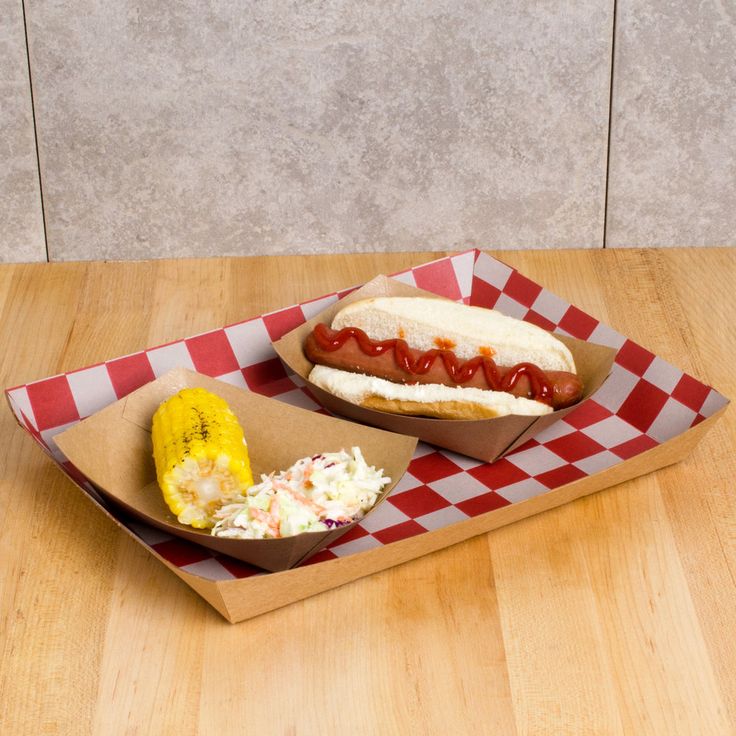
Restaurants can also use printed paper inside trays and baskets. This provides an attractive serving surface while helping reduce direct contact between food and the serving container.
Because paper is consumed regularly, restaurants can treat it as an ongoing branding opportunity rather than a one-time promotional product.
Wholesale Ordering Considerations
Before requesting a wholesale quote, prepare a clear specification. Include the paper type, GSM, dimensions, printing colors, artwork, quantity, and intended food application.
Businesses should also decide whether they need sheets or rolls. Sheets are convenient for individual wrapping and serving, while rolls can provide greater flexibility for restaurants that cut paper according to their needs.
Minimum order quantities vary significantly between suppliers. Some custom deli paper suppliers advertise minimums of around 5,000 sheets, while other providers promote lower minimum quantities.
Businesses should request a complete quotation that includes printing, setup, packaging, shipping, and any other charges. Comparing the total delivered cost gives a more accurate picture of value.
For repeat orders, maintaining the same paper specification and approved artwork is important. A dependable supplier should be able to reproduce the same dimensions, paper quality, colors, and print placement over time.
Finding the Right Packaging Supplier
Choosing a supplier should start with product performance rather than price alone. Ask potential suppliers for samples, technical specifications, food-contact information, printing details, and production timelines.
For greaseproof paper, businesses should confirm the level of grease resistance required for their menu. Suppliers may offer different grades depending on the oil content, moisture level, and serving temperature of the food.
Restaurants should also ask about certifications and compliance documentation for the exact paper being ordered. If sustainability is important, businesses can investigate options such as FSC-certified or PFAS-free materials where available.
A good supplier should provide clear communication, accurate proofs, consistent production, and reliable delivery. For high-volume restaurants, the ability to support repeat orders is just as important as the quality of the first shipment.
Custom food paper can turn a simple packaging item into a practical branding tool. By selecting the right material, size, printing style, and quantity, restaurants can improve food presentation while keeping packaging functional and efficient. Whether you need branded wrapping for sandwiches or high-volume custom greaseproof paper wholesale, choosing the right supplier and specification can help your business achieve consistent quality and a stronger customer experience.