Food packaging has become an important part of the customer experience. Restaurants, cafés, bakeries, food trucks, and catering businesses are no longer focused only on keeping food protected during serving and delivery. They also want packaging that looks attractive, feels professional, and communicates the quality of their brand.
The right tray can make a meal look more organized and appealing, while branded food paper can add another layer of visual identity. When both elements work together, even a simple takeaway meal can feel more carefully prepared and premium.
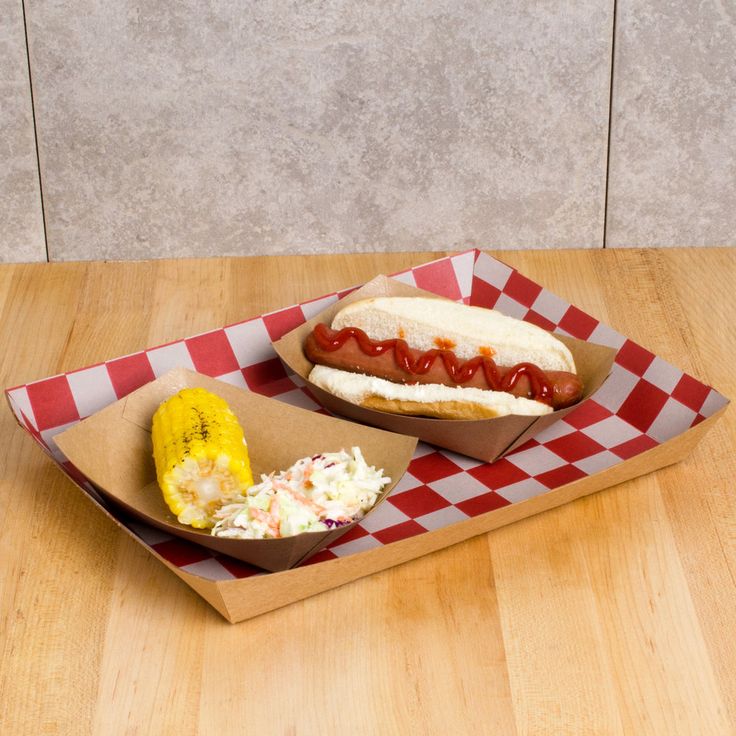
Luxury food trays are particularly useful for restaurants and food businesses that want to create a polished presentation. From burgers and loaded fries to desserts and specialty meals, a well-designed tray can support the food while giving customers a more memorable presentation.
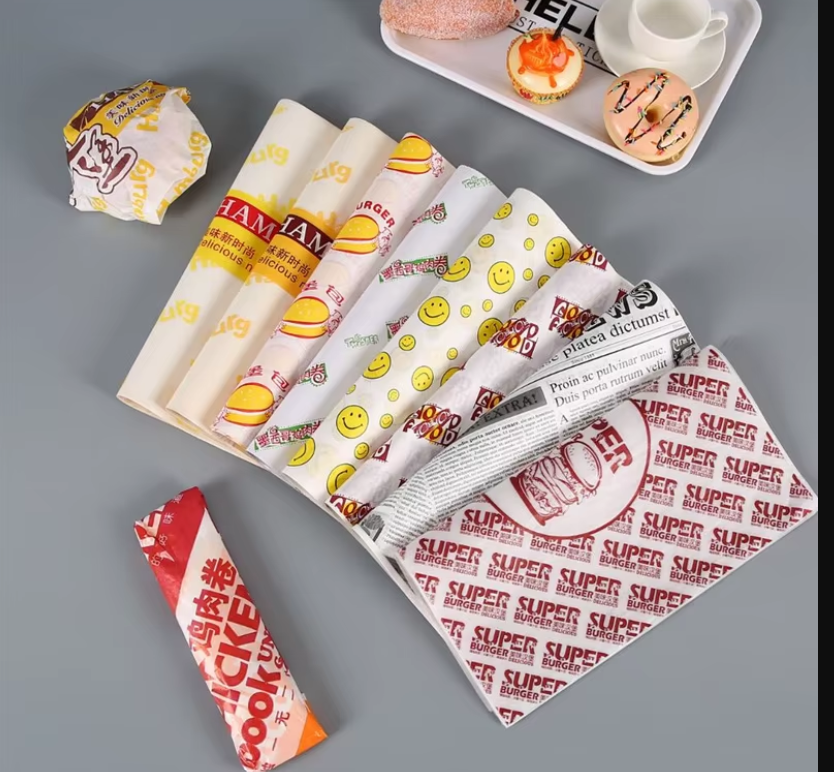
Printed food paper adds another branding opportunity. Businesses can use repeating logos, brand colors, slogans, or patterns to make their packaging instantly recognizable. Custom grease-resistant paper is commonly used for wrapping food, lining baskets and trays, and separating bakery products.
For high-volume operations, printed greaseproof paper Rolls can provide a flexible packaging solution. Rolls can be produced in different widths and lengths and may be suitable for commercial kitchens, dispensers, converting equipment, wrapping stations, and other food-service applications.
The Importance of Premium Food Presentation
Customers often judge food before taking the first bite. The way a burger, sandwich, pastry, or dessert is presented can influence how valuable and appetizing the product appears.
Premium trays can create a more organized presentation by giving each food item a defined serving space. They can also be combined with branded liners to create a consistent appearance across different menu items.
For restaurants competing in crowded markets, these small presentation details can make a meaningful difference. A recognizable packaging style may also encourage customers to remember the brand and share photographs of their meals online.
Benefits of High-Quality Food Trays
Food trays serve several practical purposes beyond presentation. They can make serving easier, provide structure for meals, and help keep different food components organized.
Depending on the design, trays may be suitable for dine-in service, takeaway orders, catering, events, and food delivery. Businesses can select different dimensions based on their menu and portion sizes.
Material selection is also important. A tray should be strong enough for the intended food while remaining convenient for employees and customers. Businesses should consider the weight of the meal, moisture, sauces, temperature, and expected handling conditions before choosing a packaging format.
Branding Through Custom Food Packaging
Branding does not have to stop at the restaurant logo. Packaging can communicate a complete visual identity through colors, typography, illustrations, patterns, and messaging.
Printed food paper is especially useful because it can carry a repeating design across an entire sheet or roll. A simple logo pattern can make otherwise ordinary packaging look customized and professional.
Some manufacturers offer one-color, multi-color, or full-color printing depending on the project. Businesses can also request custom dimensions and paper weights to suit particular food products.
A consistent design across trays, wraps, bags, boxes, and liners can make a restaurant look more established. It also creates a unified experience from the kitchen to the customer’s table or home.
Why Greaseproof Paper Works Well With Trays
Greasy and saucy foods can quickly affect ordinary paper packaging. Oil may soak through the material, creating stains and weakening the paper. Grease-resistant food paper is designed to help manage this problem.
Used as a tray liner, the paper can create a cleaner surface for burgers, fries, fried chicken, sandwiches, pastries, and other foods. It can also make cleanup and food handling more convenient in certain service environments.
Modern suppliers offer different paper weights and grease-resistance levels. Some also provide rolls in custom widths and lengths, making it possible to select a format that fits the business’s workflow.
Advantages of Using Paper Rolls
Paper rolls can be particularly useful when businesses need continuous packaging material rather than individually pre-cut sheets. Employees can cut the required amount according to the food item or tray size.
This format can reduce the need to store many different sheet sizes and may work well in busy commercial kitchens. Rolls can also be customized according to width, length, core specifications, printing design, and other production requirements.
Some manufacturers produce both large industrial rolls and smaller dispenser-ready formats. This allows businesses to choose packaging according to their equipment, service volume, and operational needs.
Choosing the Right Material and Print
Before ordering custom food packaging, businesses should consider several specifications. These include paper weight, dimensions, grease resistance, printing method, color requirements, and intended food application.
Food-contact suitability should also be confirmed with the supplier. If the paper will touch food directly, businesses should request the appropriate material and ink specifications for their intended use.
Artwork quality is another important consideration. High-resolution logos and vector files generally make it easier to achieve sharp printed results. A digital proof should be reviewed carefully before production begins.
Some suppliers also offer sample orders or design assistance. Taking advantage of these services can help businesses identify potential problems before committing to a larger production run.
Applications for Restaurants and Takeaway Brands
Custom trays and printed food paper can be used across many food-service environments. Burger restaurants can use branded liners underneath sandwiches and fries. Cafés can use them for pastries, desserts, and breakfast items.
Food trucks can benefit from lightweight packaging that is easy to store and quick to use during busy service periods. Bakeries can use grease-resistant paper for pastries, cookies, and other baked products.
Catering businesses can also benefit from coordinated packaging. Matching trays and printed paper can create a more professional appearance for corporate events, parties, festivals, and other large gatherings.
The flexibility of custom food paper means one design can often be adapted across multiple menu categories. This makes branded packaging a practical marketing tool as well as a functional food-service product.
How to Create a More Premium Packaging Experience
Creating premium packaging does not necessarily require complicated designs. A clean logo, attractive color combination, quality tray, and well-selected food paper can be enough to create a sophisticated appearance.
Businesses should begin by identifying their main packaging requirements. Consider which foods need liners, which products require stronger trays, and how much packaging is consumed each week or month.
Ordering samples before a large production run is also a smart step. Test the paper with actual foods and evaluate grease resistance, strength, print quality, folding, and overall appearance.
The best packaging solution combines functionality with visual appeal. By pairing attractive trays with well-designed printed greaseproof paper Rolls, restaurants and food brands can protect their products while creating a more recognizable customer experience. Whether the goal is premium presentation, better food handling, or stronger branding, carefully selected packaging can turn an ordinary meal into a more memorable part of the brand.